
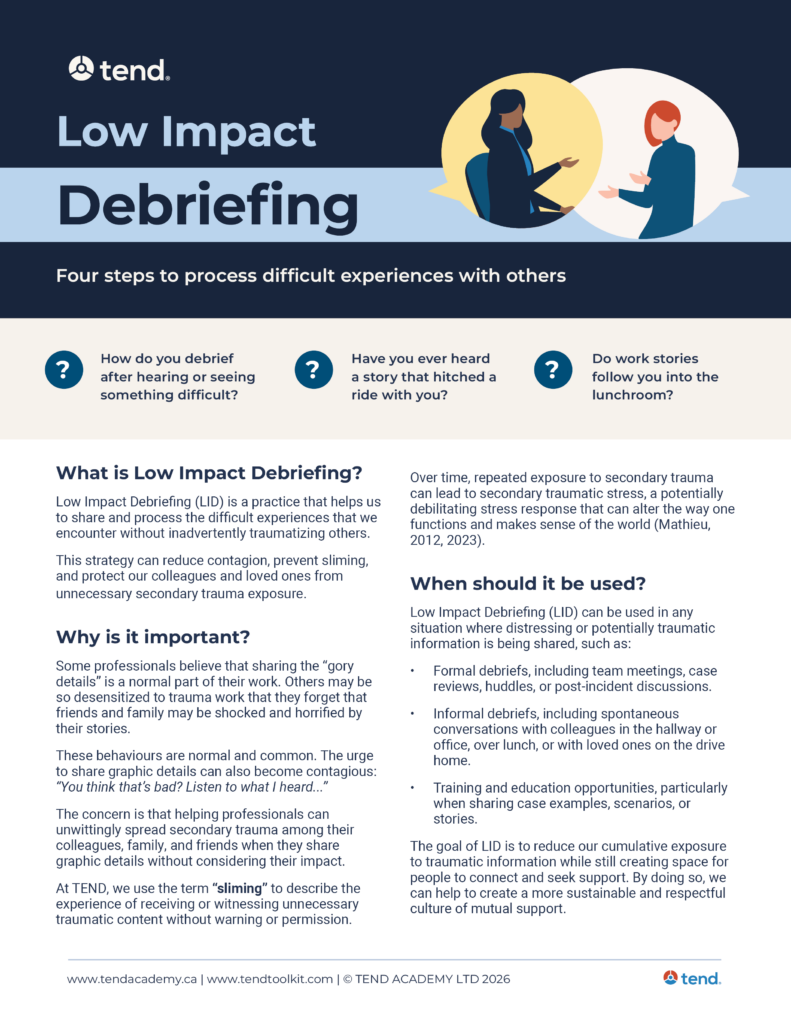
This downloadable PDF outlines different types of debriefing and provides an overview of the four steps of Low Impact Debriefing.
Author Archives: TEND
Debriefing, Direct Exposure, Free, PDF, Secondary Traumatic Stress, Strategies for Teams
Rethinking Post-Incident Support
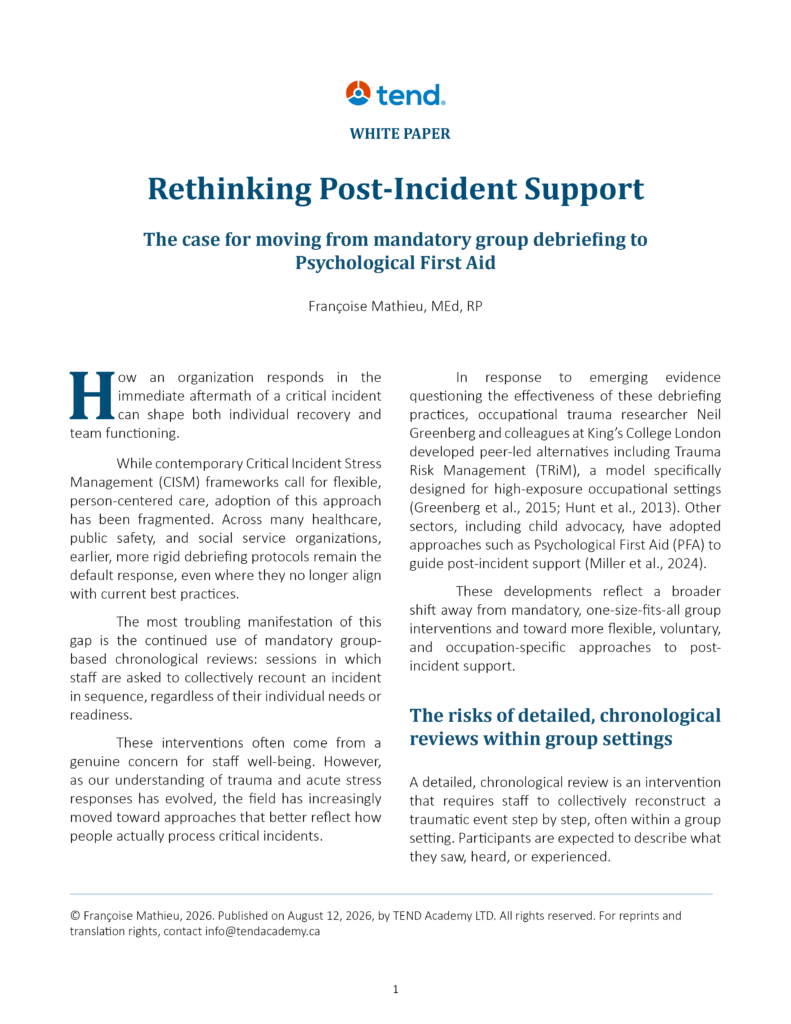
This white paper offers practical guidance for organizations seeking to create evidence-informed post-incident support systems that protect staff autonomy, reduce unnecessary trauma exposure, and foster recovery.
CARE4YOU, Career-Sustaining Behaviours, Debriefing, Free, Strategies for Leaders, Strategies for Teams, Video, Workplace Culture
Scaling Support
In this CARE4YOU 2026 session, Dr. Janine Rowe provides practical guidance on launching a community of practice, maintaining participation, and translating shared learning into everyday support practices within teams.
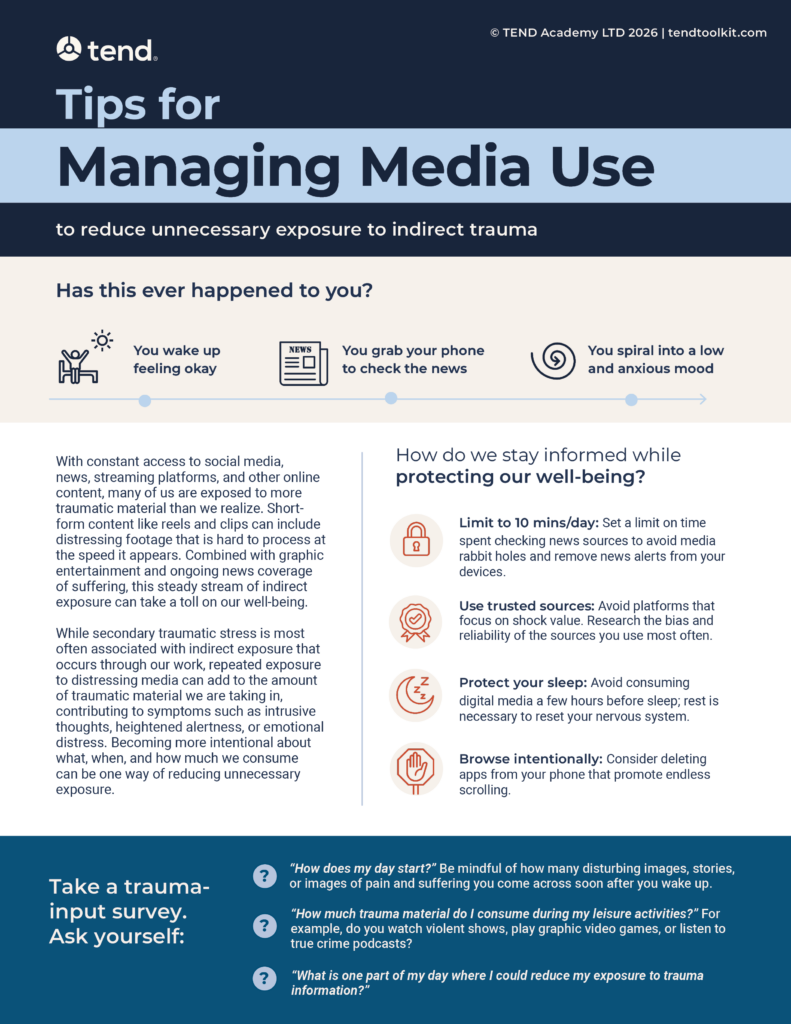
Tips and strategies for managing media use to reduce indirect trauma exposure.
Free, Organizational Health, PDF, Secondary Traumatic Stress, Strategies for Leaders, Strategies for Teams, Workplace Culture
Best Practices for Addressing Secondary Traumatic Stress
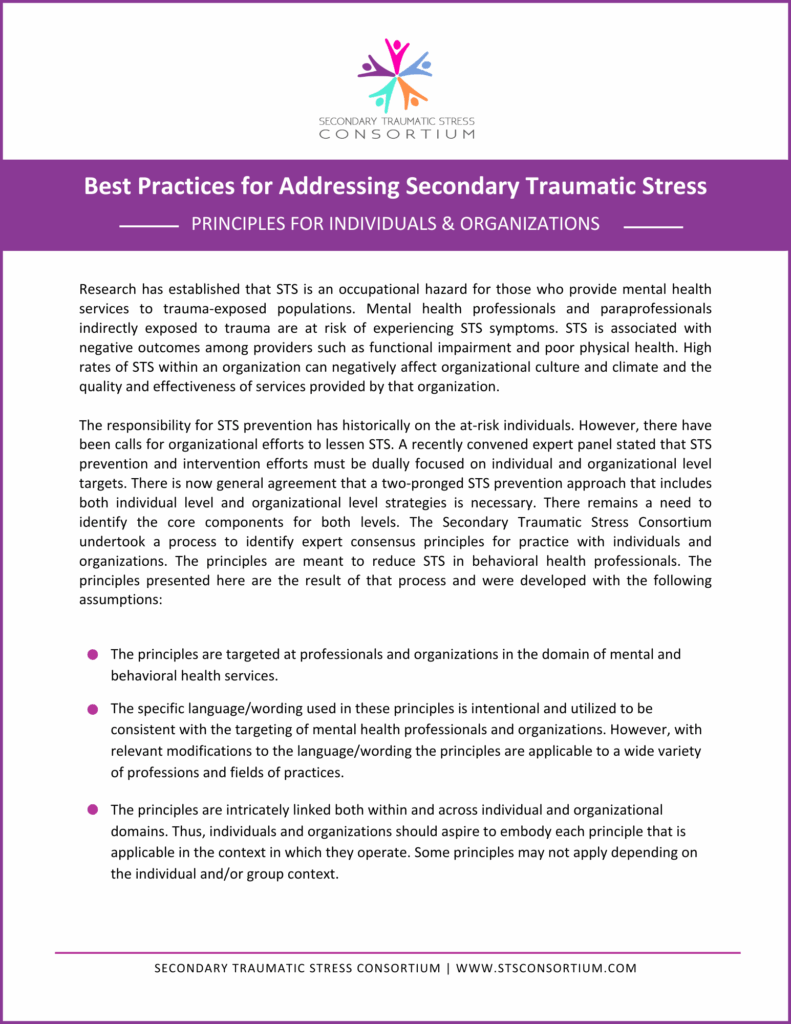
Published by the STS Consortium in 2024, these principles offer best practices for addressing secondary traumatic stress for both individuals and organizations.
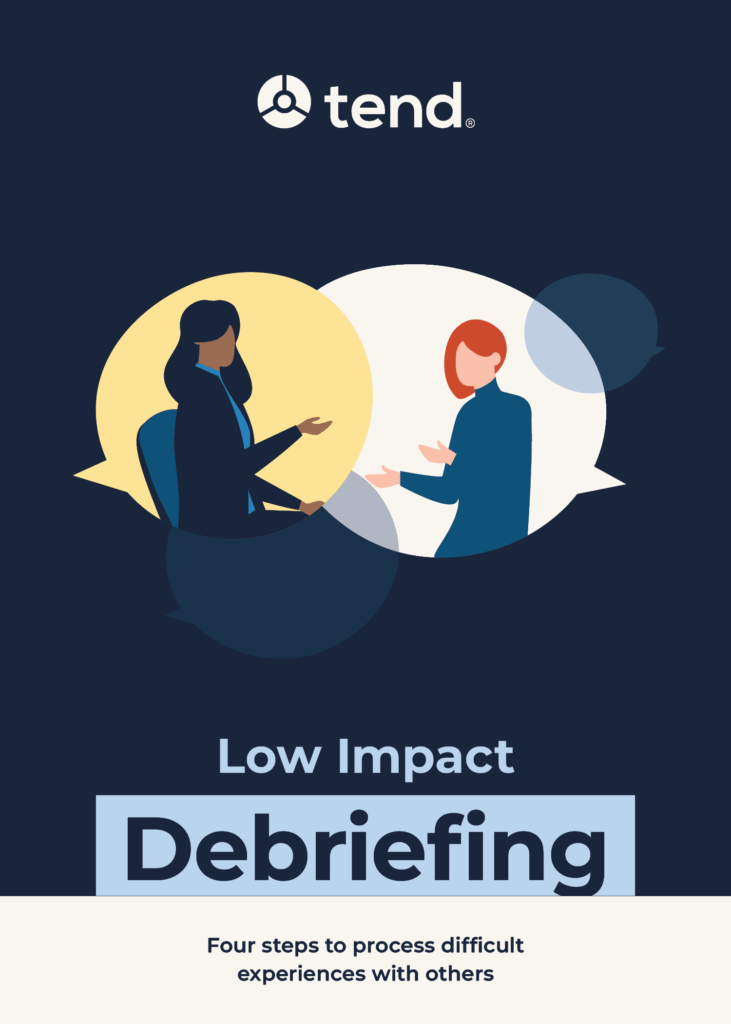
This downloadable PDF outlines different types of debriefing and provides an overview of the four steps of Low Impact Debriefing.
Article, Featured Resource, Free, Mental Health, Organizational Health, Strategies for Leaders
Employee Wellness is a Shared Responsibility

To better understand who is responsible for employee wellness, we surveyed 761 helping professionals. Here is what we heard.
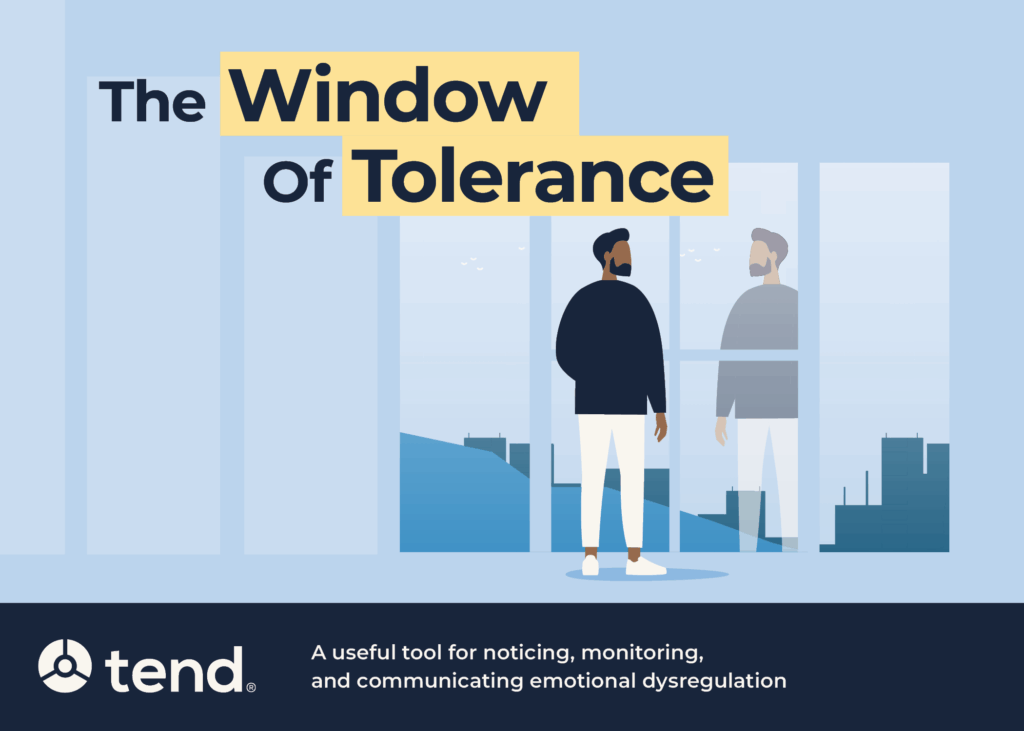
This downloadable postcard provides an overview of the Window of Tolerance.
Burnout, Featured Resource, Free, Leadership, Organizational Health, Strategies for Leaders, Video
Start Your Journey Towards a Healthier, More Supportive Workplace
In this presentation, Françoise Mathieu and Cambria Walsh introduce the TEND Roadmap program and explore how organizations can create meaningful and sustainable change.
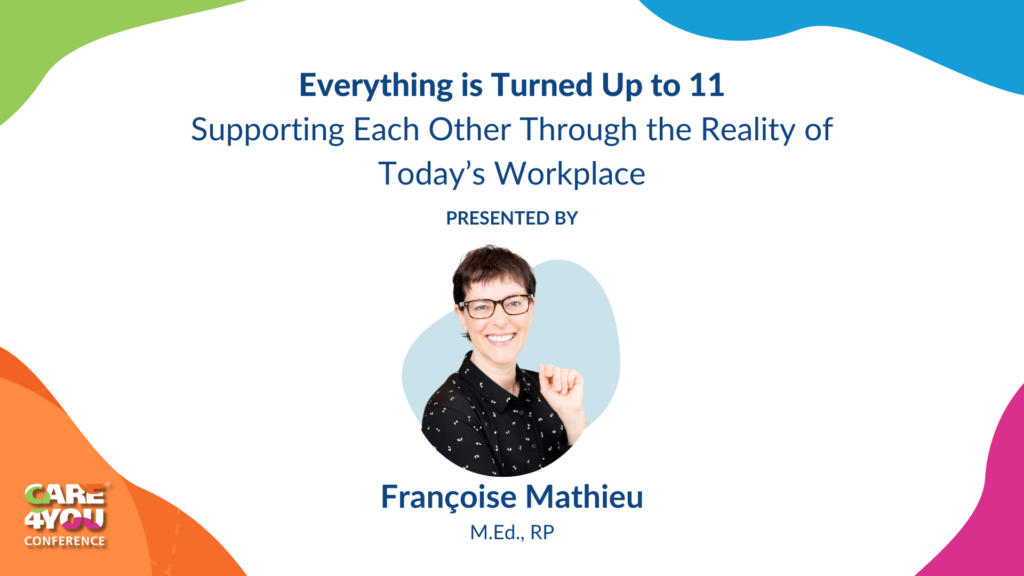
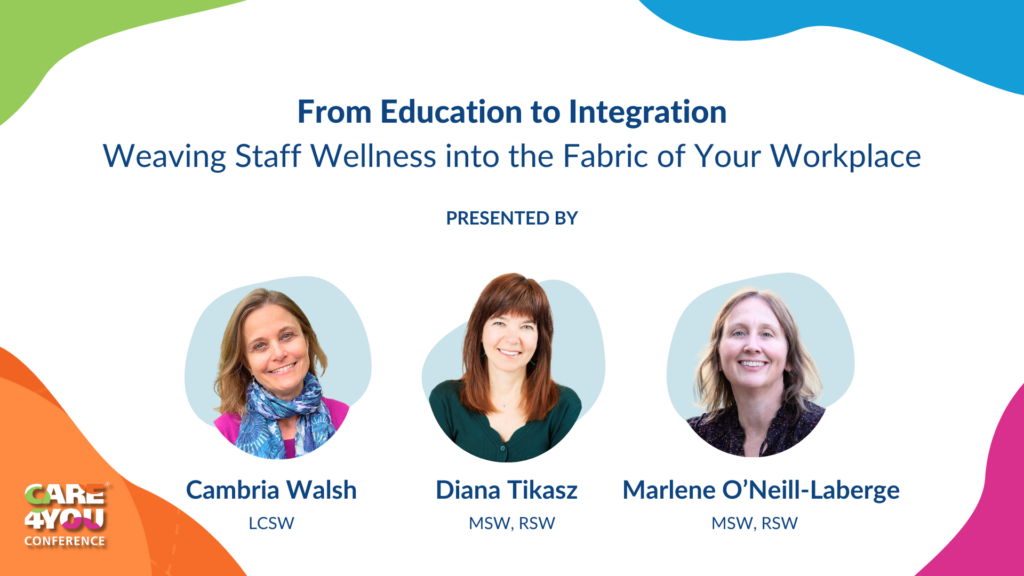
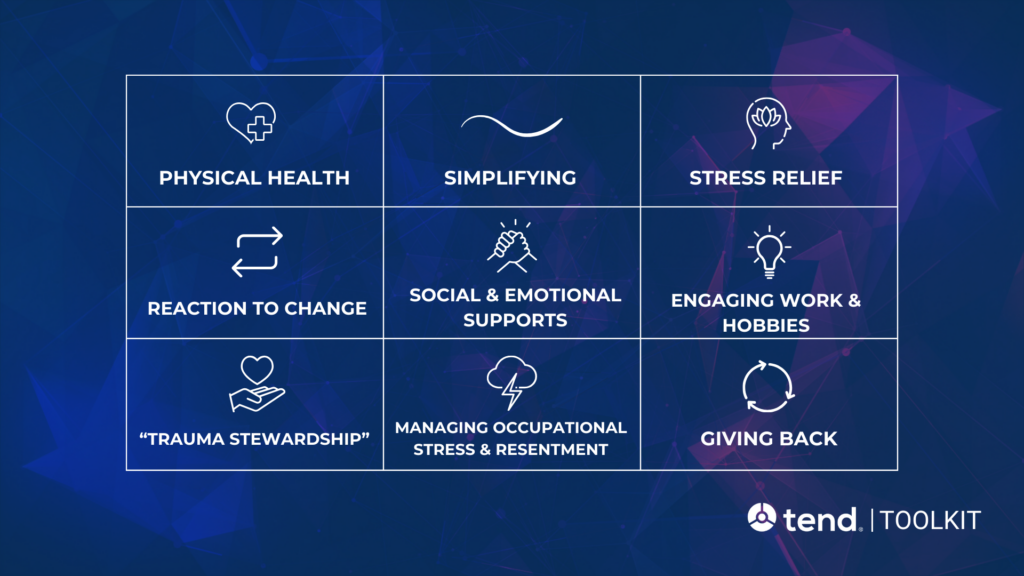
Françoise Mathieu outlines a tool to take stock and bring more balance to your professional and personal lives.

In this book, Dr. Nzinga Harrison explores the science, stigma, and truth around substance use. An insightful read from both a personal and professional perspective.
Featured Resource, Free, Grounding Skills, Micro-Skills, Mindfulness, Strategies for Self, TEND Strategy
The Three Minute Breathing Space

The Three Minute Breathing Space is a simple mindfulness exercise to reset before, during, or after a stressful event by grounding through sound, body sensations, and breathing.

This self-care questionnaire excerpted from Dr. Patricia Fisher’s “Resilience, Balance & Meaning” workbook encourages you to reflect on your level of self-care in both your professional and personal life.
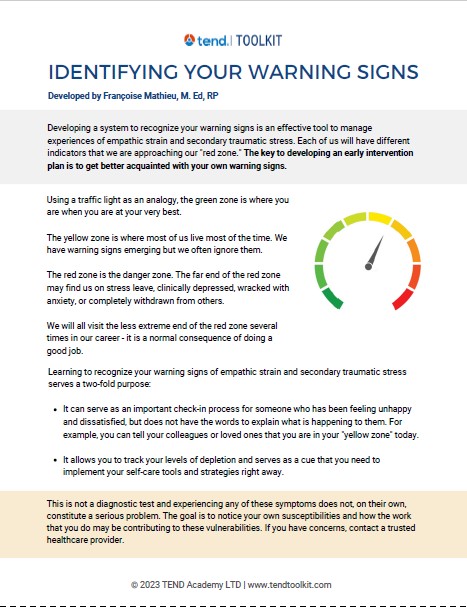
Assessment, Burnout, Chronic Stress, Empathic Strain, Free, Secondary Traumatic Stress, Self-Compassion
Screeners for Health & Behavioral Health Professionals
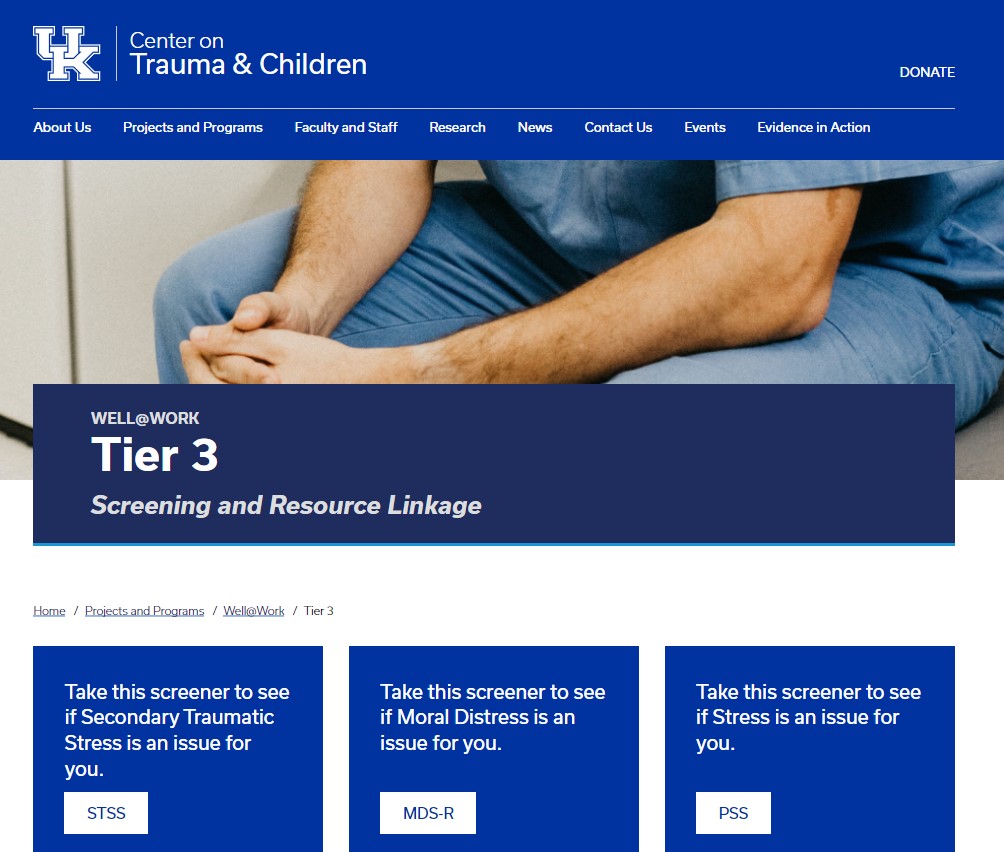
Screeners for health and behavioral health professionals to self-identify areas that may be an issue for them including secondary traumatic stress, moral distress, stress, burnout, compassion satisfaction, and self-compassion.
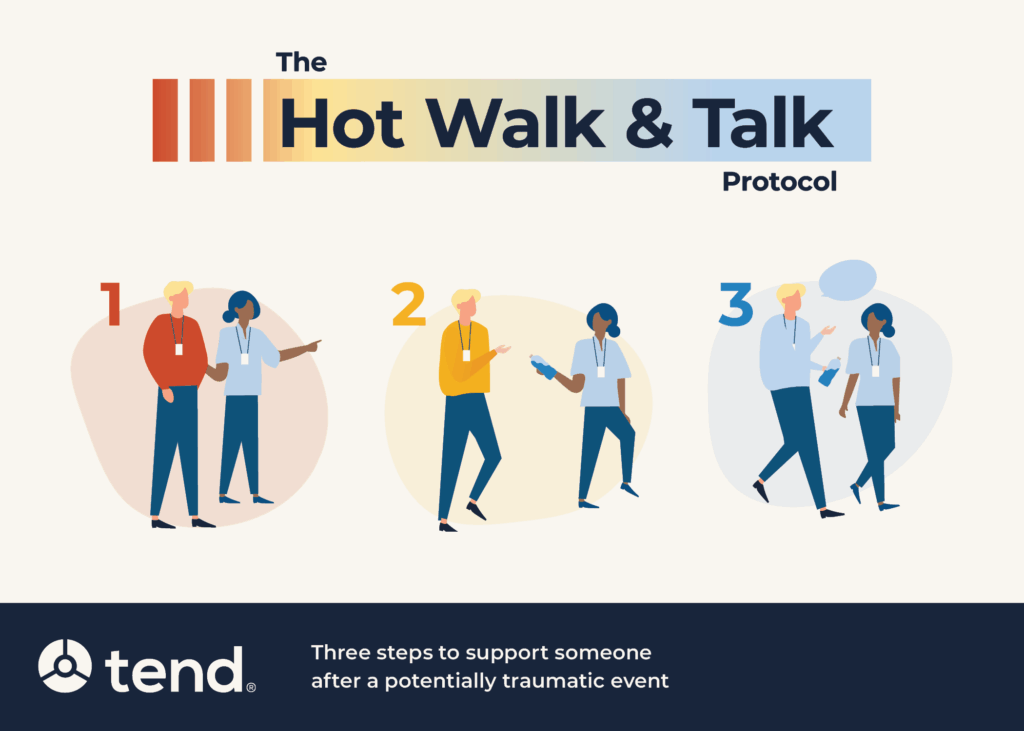
This downloadable postcard outlines the steps of the Hot Walk & Talk protocol.
The Hot Walk & Talk protocol is a strategy for providing support to others in the aftermath of a difficult or traumatic event.

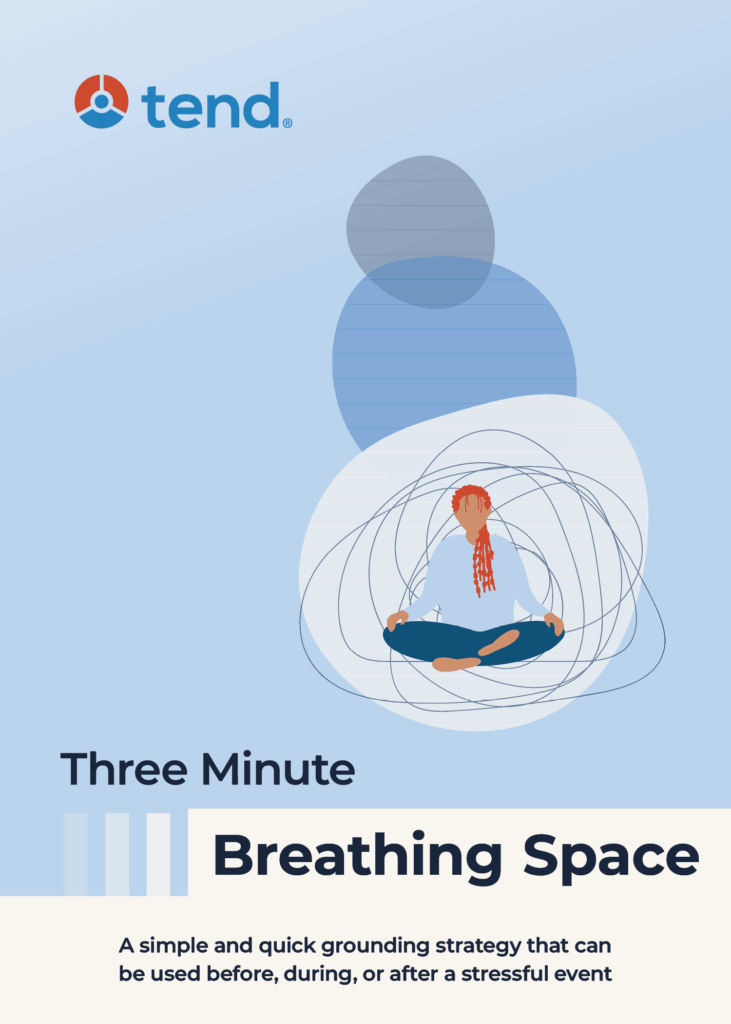
A downloadable postcard that outlines a simple and quick mindfulness exercise.
Free, Grounding Skills, Micro-Skills, Mindfulness, Strategies for Self, TEND Strategy
The Window of Tolerance
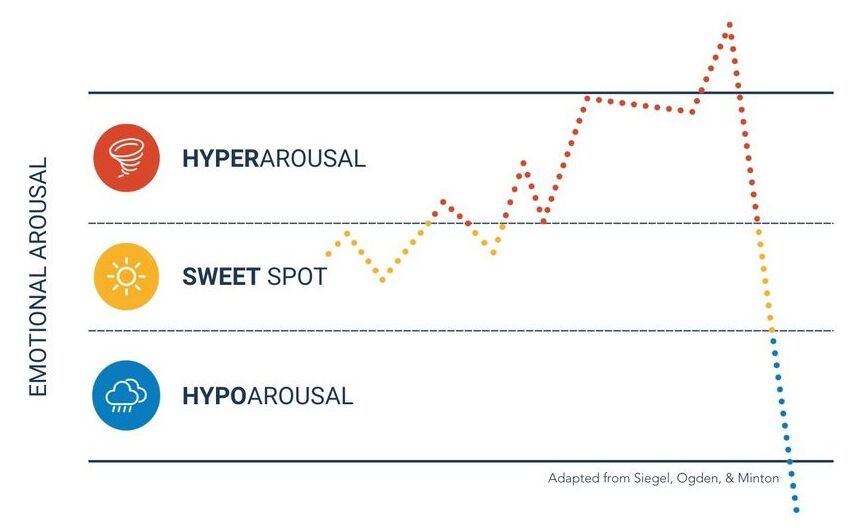
The Window of Tolerance created by Dr. Dan Siegel is a useful tool for noticing, monitoring, and communicating the normal “ups and downs” of our emotions.
Assessment, Free, Organizational Health, Secondary Traumatic Stress
The Secondary Traumatic Stress Informed Organization Assessment (STSI-OA)

The STSI-OA is an assessment tool that can be used to evaluate the degree to which an organization is secondary traumatic stress informed.
Assessment, Empathic Strain, Free, Secondary Traumatic Stress, Strategies for Self
The Professional Quality of Life Measure (ProQOL)

The Professional Quality of Life Measure (ProQOL) is a free 30 question self-assessment test designed by Dr. Beth Stamm to evaluate burnout, compassion fatigue, and compassion satisfaction.
In this book, Dr. Pooja Lakshmin helps you to understand what a real practice of caring for yourself could—and does—look like.

Burnout, Free, Grief & Loss, Moral Distress, Secondary Traumatic Stress, Socio-Cultural Context, TEND Strategy
Contributing Factors
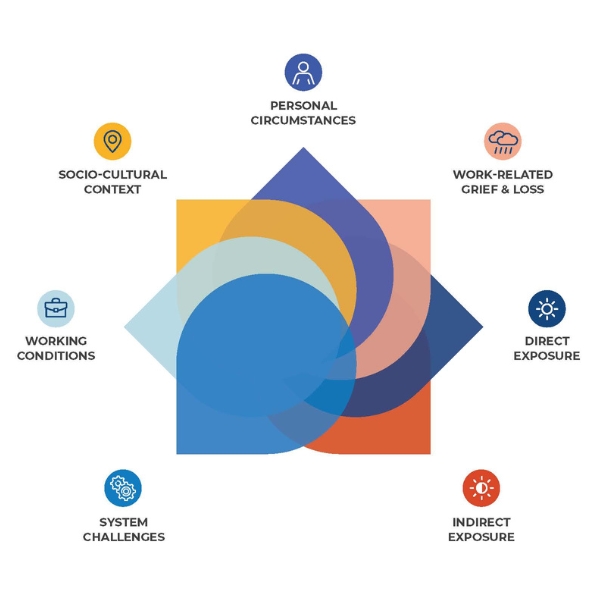
This model can help you to identify sources of work-related stress that may lead to burnout, secondary traumatic stress, empathic strain, or moral distress.
Career-Sustaining Behaviours, Debriefing, Free, Strategies for Self, TEND Strategy
Low Impact Debriefing

This strategy allows us to share and process difficult stories and images while preventing sliming and unnecessary secondary trauma exposure.
Book, Career-Sustaining Behaviours, Free, Secondary Traumatic Stress
Reducing Secondary Traumatic Stress
In this book, Dr. Brian MIller offers evidence-informed skills and strategies to regulate distressing emotions and to foster increased empathy for those suffering from trauma.
In this book. Babette Rothschild examines the literature to explain how therapists suffer from an excess of empathy for their clients and presents strategies for dealing with burnout and stress.
Book, Chronic Stress, Free, Grounding Skills, Resilience, Strategies for Self
The Stress Prescription
In this book. Dr. Elissa Epel offers a seven-day plan of science-based techniques that can help you harness stress through more positive challenge and purpose.
Burnout, Free, Moral Distress, Strategies for Leaders, Video, Workplace Culture
Hear Me, Protect Me, Support Me

What are the necessary elements to feeling supported at work? In this discussion, Françoise Mathieu and Diana Tikasz share recommendations to counteract workplace cynicism and disengagement
Book, Burnout, Chronic Stress, Free, Organizational Health, Strategies for Leaders, Workplace Culture
The Burnout Challenge
In this book, Christina Maslach and Michael P. Leiter provide useful tools for identifying the signs of employee burnout and offer practical, evidence-driven guidance on implementing meaningful change.
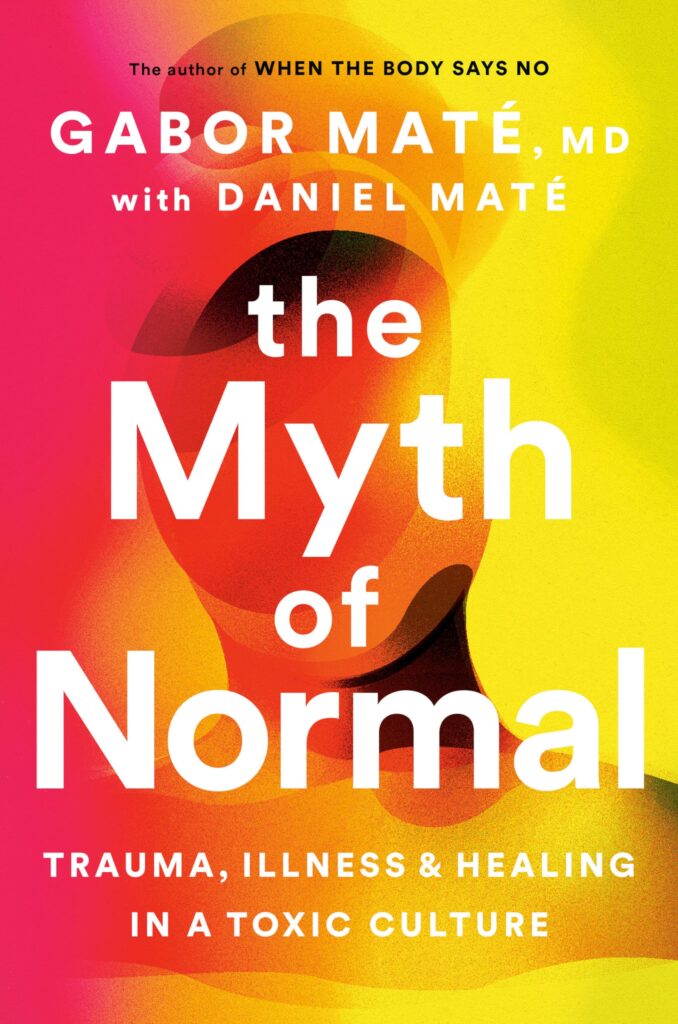
In this book, Dr. Gabor Maté and his son Daniel Maté untangle common myths about trauma and offer a guide for health and healing.
Diana Tikasz presents a simple grounding technique that can be used before, during, or after a stressful event.

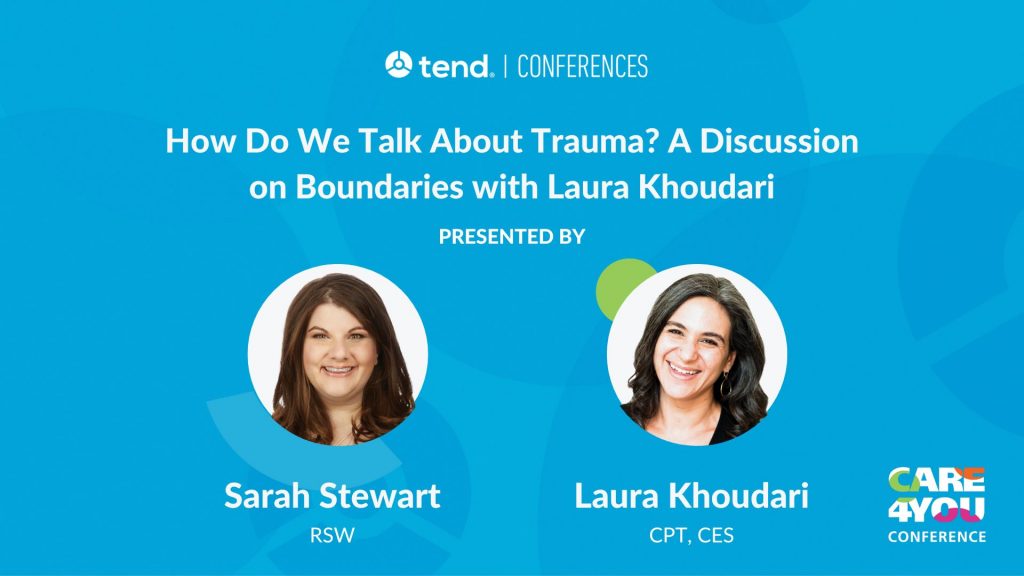
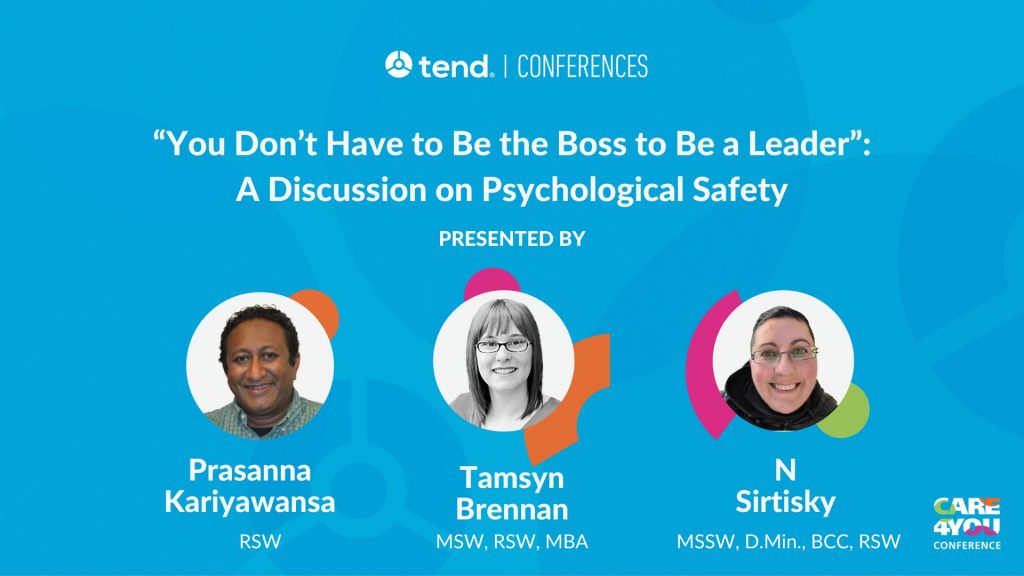
Feeling worn-out by the unrelenting pace of media? In this session, Françoise Mathieu, Diana Tikasz. and Dr. Jennifer Russel explore strategies for detoxing from online media.
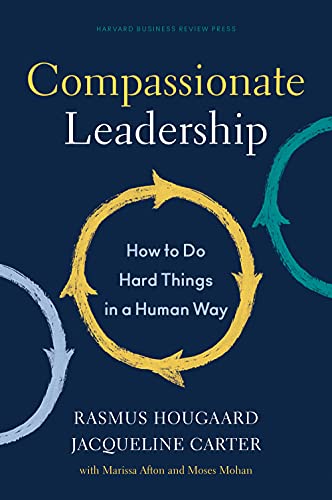
In this book, Rasmus Hougaard and Jacqueline Carter offer guidance in balancing compassion for your people with the effectiveness of getting work done.
In this workbook, Nedra Glover Tawwab offers exercises to gain insight into healthy boundaries and offers steps to implement them.
In this book, Dr. Nadine Burke Harris explores the science behind adverse childhood experiences (ACEs) and offers guidance on disrupting this cycle to help children, families, and adults live healthier, happier lives.
Diana Tikasz shares a short reflective practice based on the acronym RAIN (Recognize, Allow, Investigate, and Nurture) developed by Tara Brach.
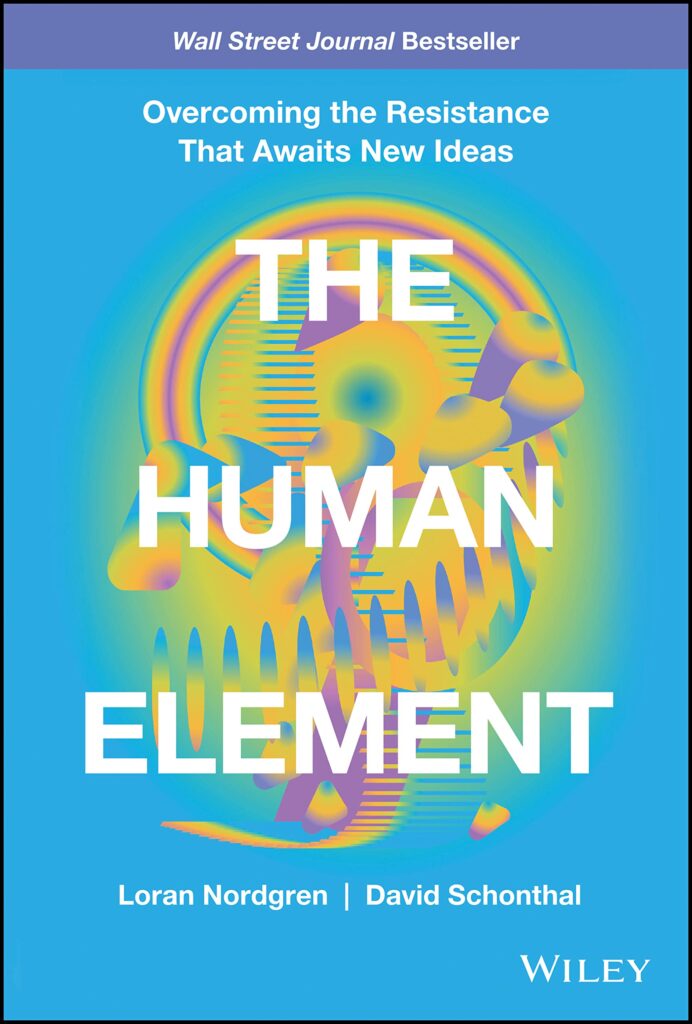
In this book, Loran Nordgren and David Schonthal explore how human behavior and emotions influence leadership and decision-making within organizations.
Book, Burnout, Chronic Stress, Free, Organizational Health, Strategies for Leaders, Workplace Culture
The Burnout Epidemic
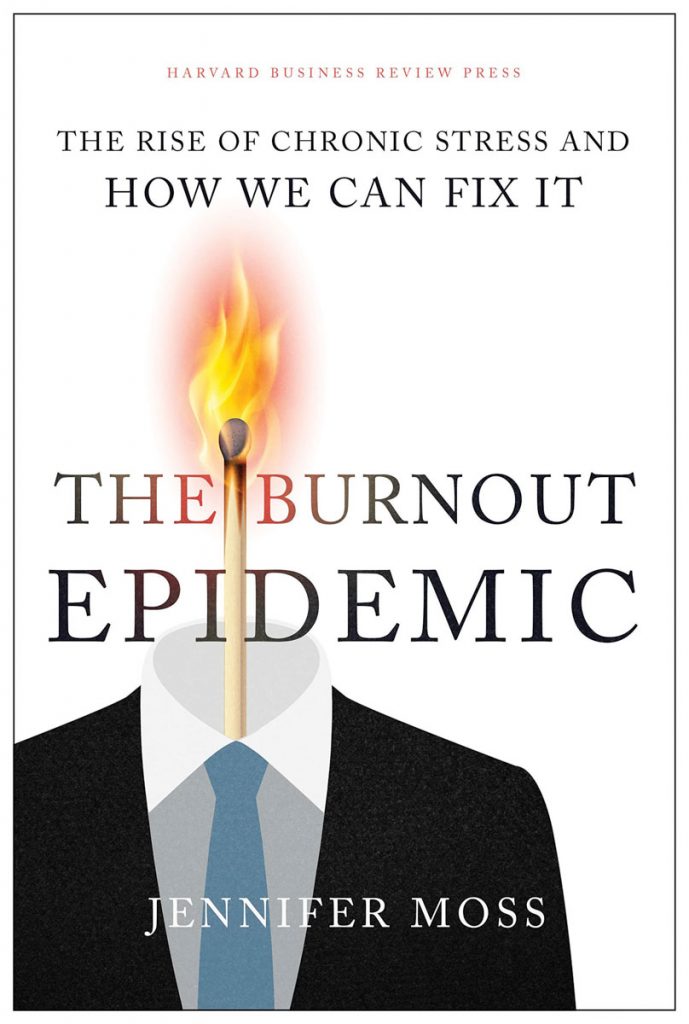
In this book, Jennifer Moss lays bare the causes of burnout and how organizations can stop the chronic stress cycle that an alarming number of workers suffer through.

Dr. Jennifer Russel shares a skill to help reframe judgmental and critical thoughts into compassionate well wishes.


Free, Leadership, Strategies for Leaders, Video, Workplace Culture
Compassionate Leadership in the Re-Opening Workplace
Experts in organizational health discuss the toll of the pandemic on our workforce and consider strategies for incorporating compassionate leadership into the re-opening workplace.
In this discussion, Françoise Mathieu, Diana Tikasz. and Dr. Jennifer Russel answer questions about toxic positivity and supporting loved ones who are overly pessimistic or negative.

Experts in the fields of secondary trauma and empathic strain bring clarity to the current state of terminology and discuss why the term “compassion fatigue” should be replaced by “empathic strain.”
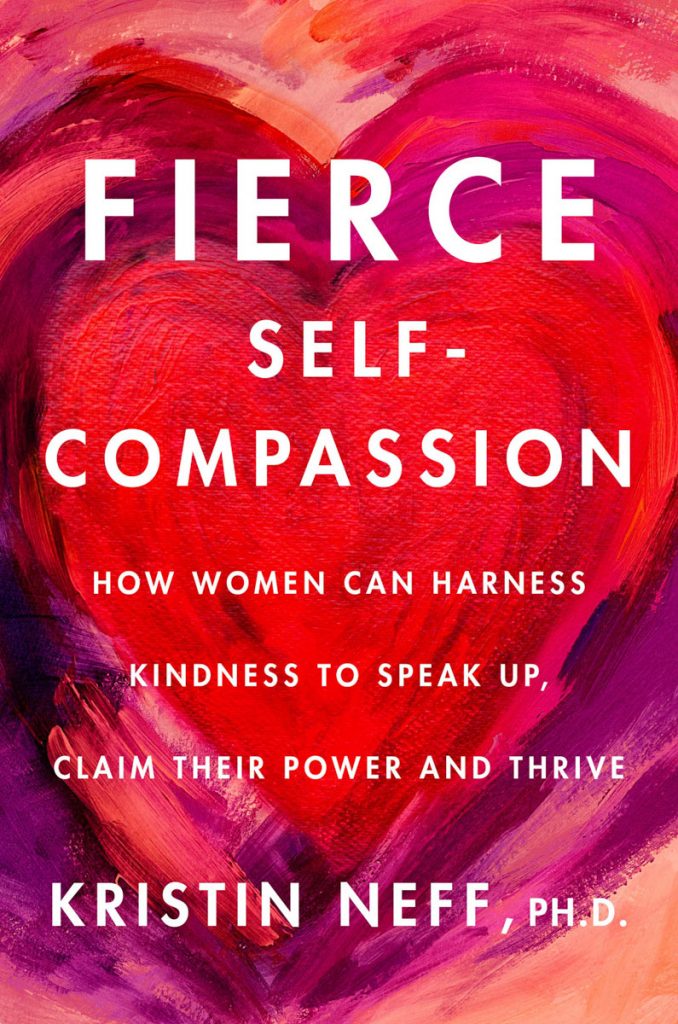
Dr. Kristin Neff demonstrates using fierce and tender self-compassion to succeed in the workplace, engage in caregiving without burning out, and being authentic in relationships.
How do you know when a boundary has been breached? In this discussion, Françoise Mathieu, Diana Tikasz. and Dr. Jennifer Russel explore boundary breaches and navigating boundaries between our work and personal lives.
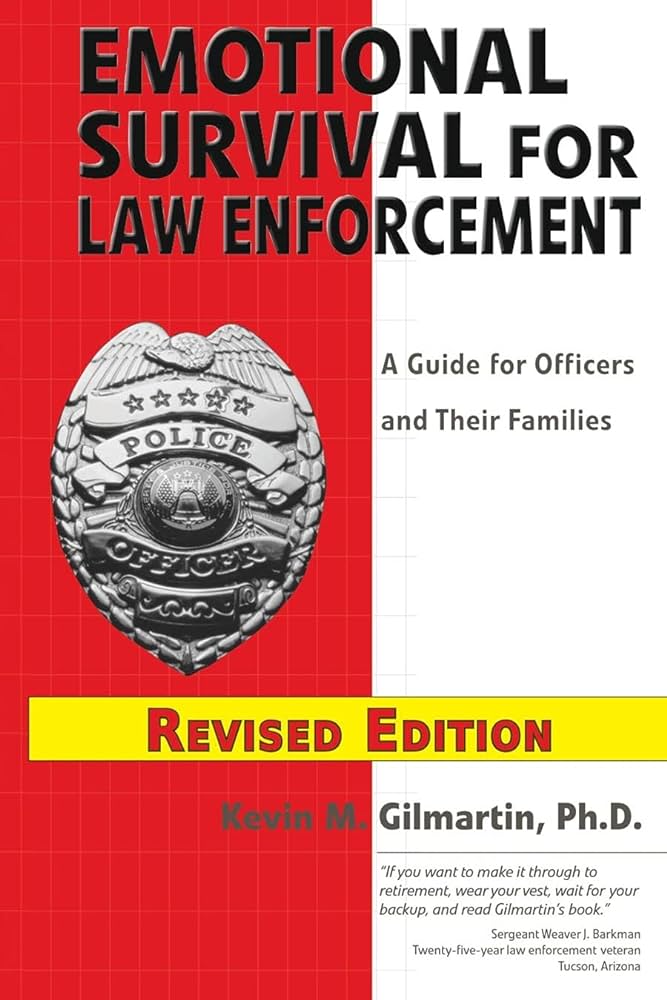
In this book. Kevin Gilmartin delves into the profound emotional toll that public safety work can have on individuals and their families.
Diana Tikasz explores the myth of multitasking, switch-tasking, and the negative implications of constant interruptions.
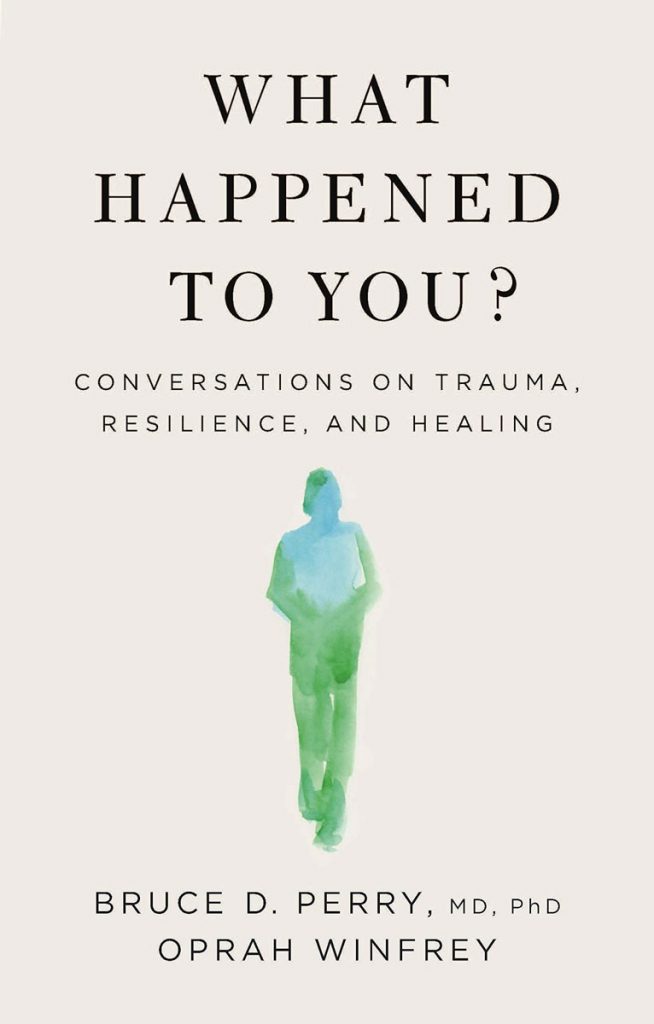
In this book, Dr. Bruce Perry and Oprah Winfrey share scientific and emotional insights to better understand people, behavior, and ourselves.
Dr. Jennifer Russel offers a quick and simple “habit shaping” strategy based on the work of James Clear.
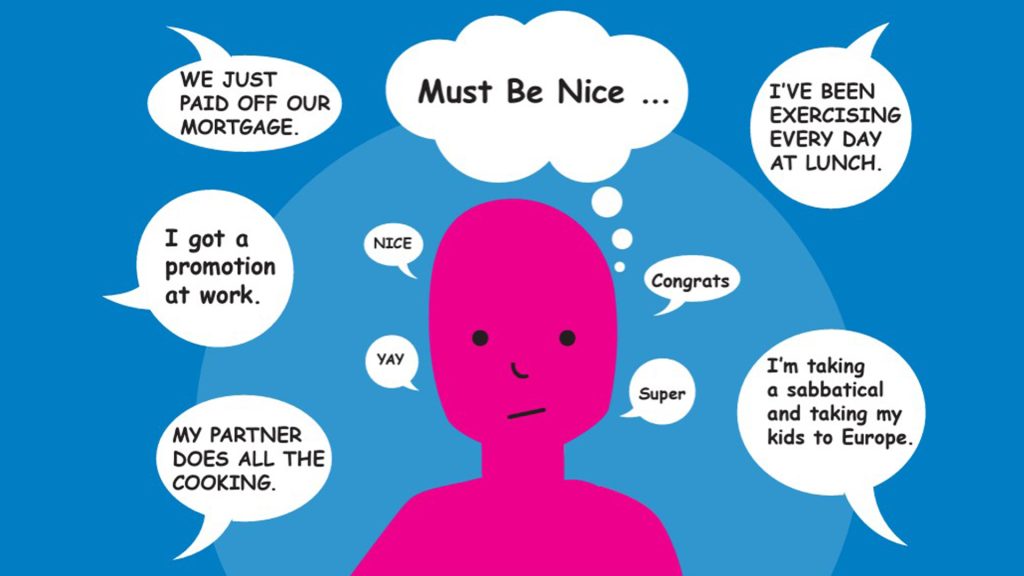
A downloadable PDF to help you take stock of the demands on your time from both your personal and professional life.
In this discussion, Françoise Mathieu, Diana Tikasz. and Dr. Jennifer Russel answer questions about managing guilt related to vaccines, talking to loved ones about public health guidelines, and “self-care bingo.”
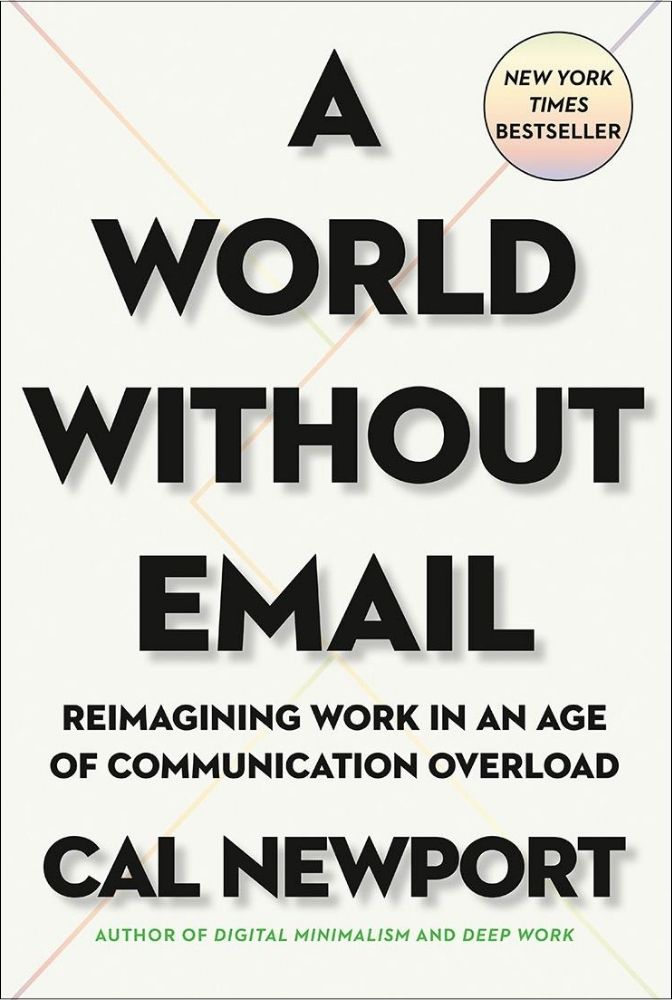
In this book. Cal Newport discusses the dangers of an inbox-driven workday and shares strategies for improving communication strategies to increase cognitive bandwidth.
Book, Burnout, Chronic Stress, Free, Resilience, Self-Compassion, Strategies for Self
We Are All Perfectly Fine
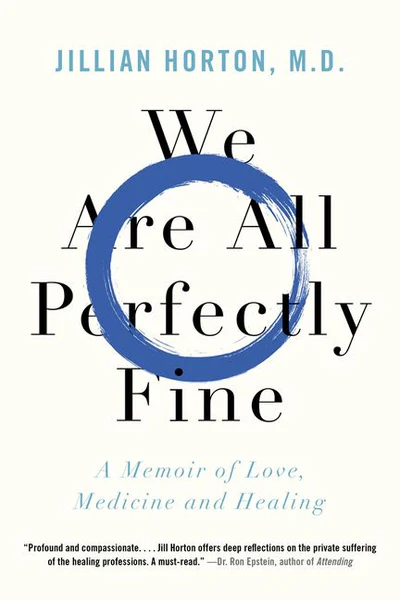
In this book, Dr. Jillian Horton explores how the culture of healthcare contributes to burnout and offers a more compassionate perspective.

Meaghan Welfare is a conflict management practitioner at the Department of National Defence at CFB Kingston. In this conversation, she shares her lessons learned about boundary setting and strategies to navigate the difficult task of saying “no.”
In this discussion, Françoise Mathieu, Diana Tikasz. and Dr. Jennifer Russel answer questions about the difficult balance of being supportive vs. permissive, the negative repercussions of stigma on our careers, and bad experiences with EAP programs.
Free, Grounding Skills, Micro-Skills, Mindfulness, Self-Compassion, Video
The Three Steps to Self-Compassion
Diana Tikasz presents the three steps to self-compassion based on the work of Dr. Kristin Neff. This micro-skill can reset the stress response help to to ease inner conflict.
Dr. Jennifer Russel shares her routine for mindfully transitioning from a busy and stressful day at the hospital to picking up her school-aged children.
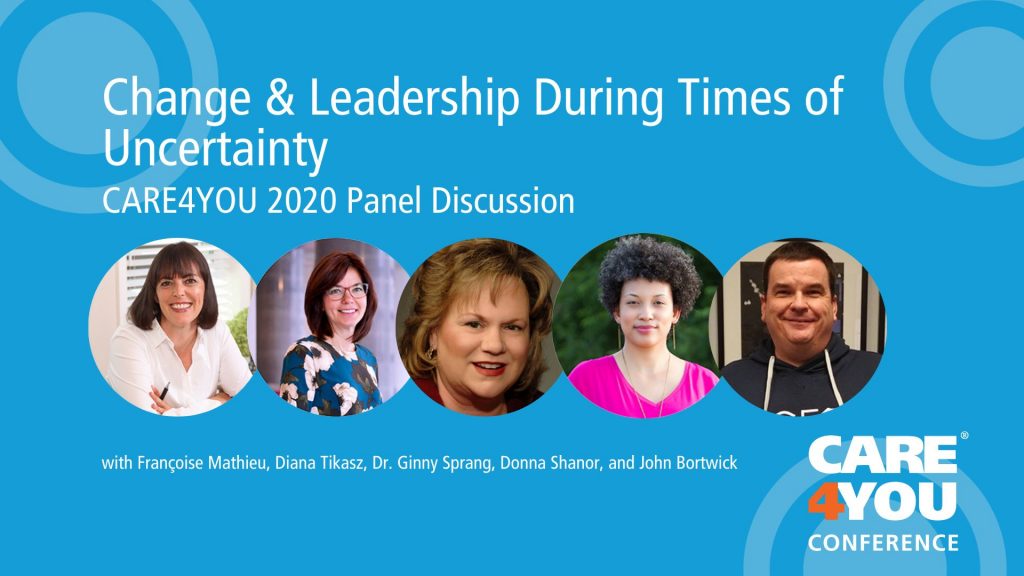
Experts in the fields of organizational health discuss the key components of compassionate leadership during times of crisis.
Françoise Mathieu shares her thoughts about self-care as an “ethical duty” for those working in high-trauma workplaces in this series presented by by the Southern Regional Children’s Advocacy Center.
CARE4YOU, Free, Socio-Cultural Context, Trauma-Informed Care, Video
Relationship-Centered Care is Better Care
We know that a one-size-fits-all approach to care is ineffective but becoming culturally competent can feel like an impossible task. In this CARE4YOU 2020 session, Donna Shanor explores how culture can influence experiences of trauma.
Book, Career-Sustaining Behaviours, Free, Secondary Traumatic Stress, Trauma-Informed Care
Trauma Stewardship
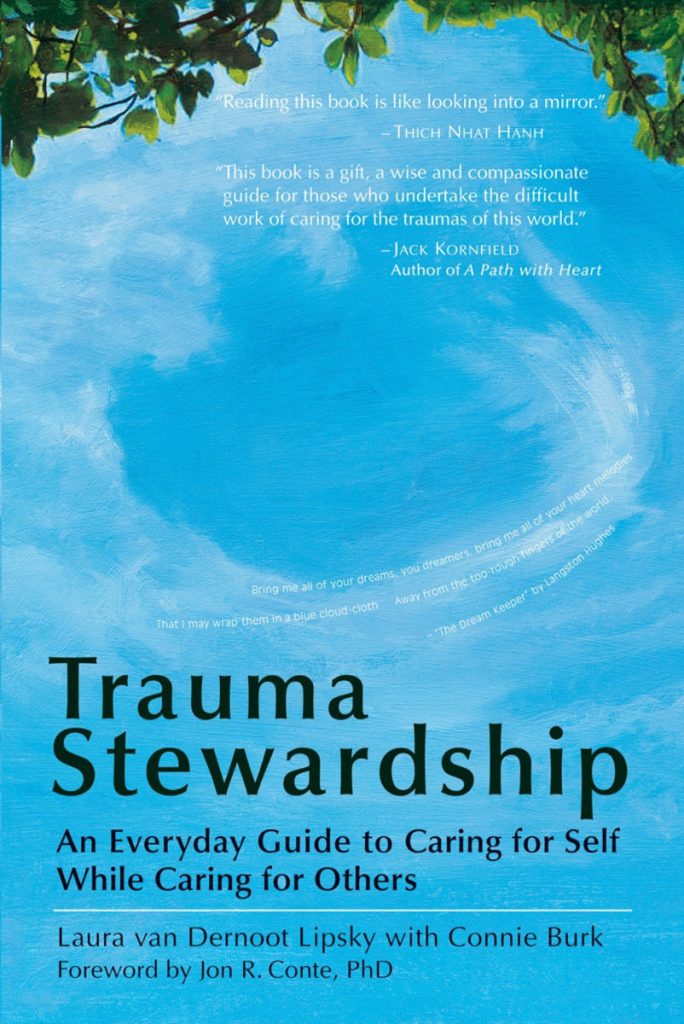
In this book. Laura van Dernoot Lipsky offers simple practices to develop mindful presence while working in a helping profession.
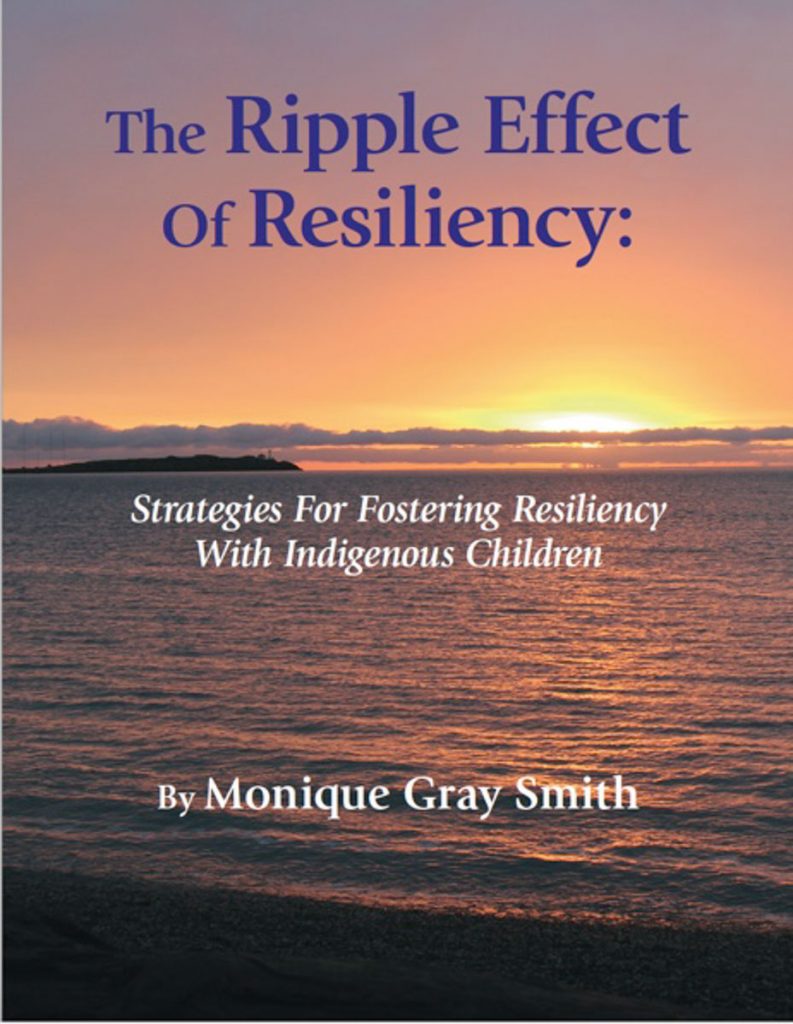
In this book, Monique Grey Smith offers resources for those working with Indigenous children and families.
In this book, Dr. Elizabeth Stanley offers tools and strategies to rewire the mind and body, allowing our “thinking brain” and our “survival brain” to work together cooperatively.
Book, Conflict & Communication, Free, Mental Health, Workplace Culture
Mental Health Disabilities at Work
In this book, Dr. Mike Condra and Meryl Zisman offer insights about mental health and mental illness in the workplace using practical and non-technical language.
In this book, Stephen Trzeciak and Anthony Mazzarelli explore whether health care is in a compassion crisis, and offer evidence and research to prove that compassion matters.
In this book, Dr. Gabor Maté explores the effect of the mind-body link on illness and health as well as the role that stress and one’s individual emotional makeup play in an array of common diseases.
Book, Conflict & Communication, Free, Strategies for Leaders, Strategies for Teams, Workplace Culture
The Fearless Organization
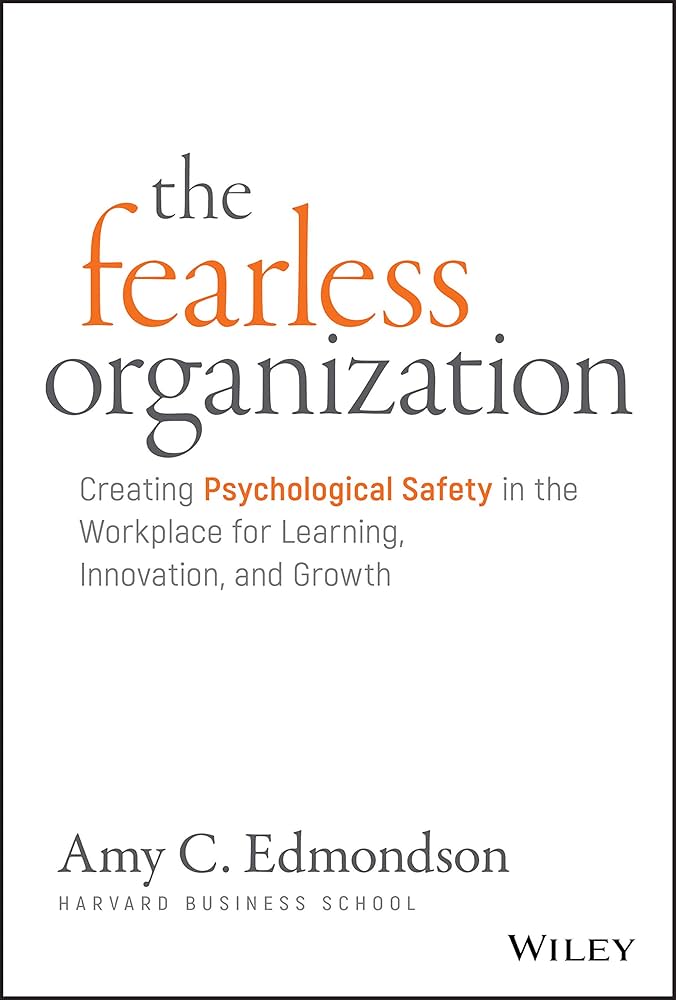
In this workbook, Amy C. Edmondson provides a blueprint for increase psychological safety in the workplace.
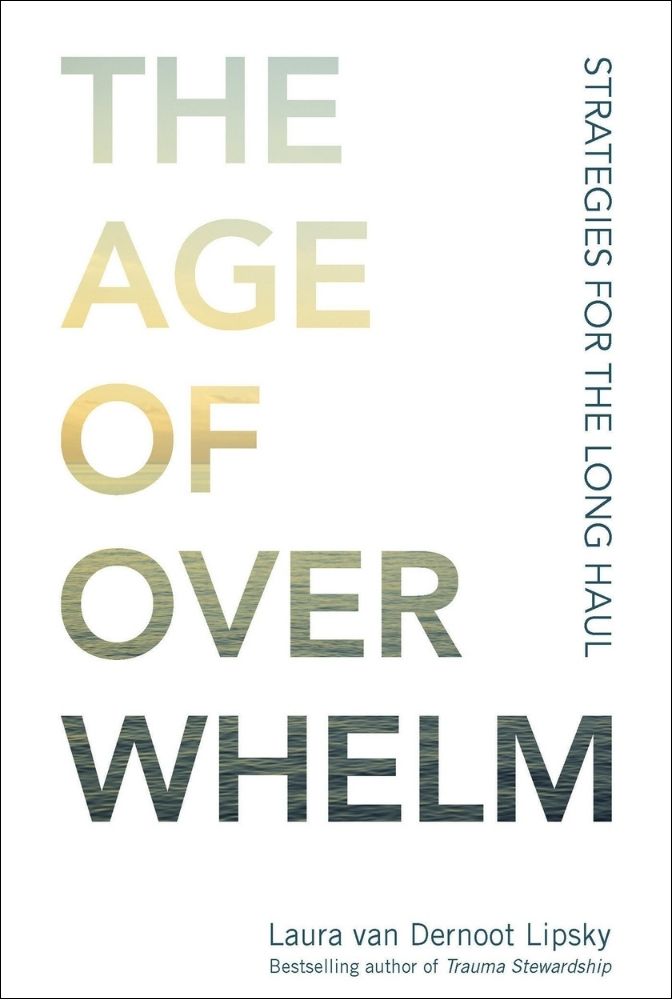
In this book, Laura van Dernoot Lipsky aims to ease the burden of overwhelm, restore perspective, and give strength to navigate what is yet to come.

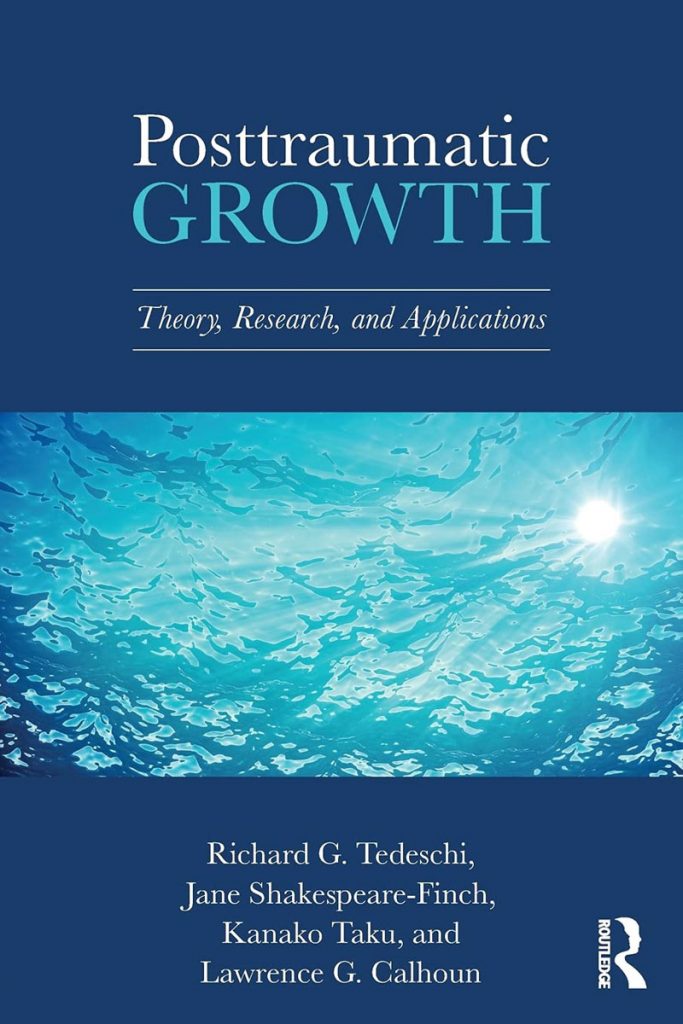
In this book, Tedeschi et. al explore the history and research behind posttraumatic growth theory and offer strategies to facilitate PTG in individuals, teams, and communities.
Career-Sustaining Behaviours, Empathic Strain, Free, Strategies for Self, Video
The Edge of Compassion
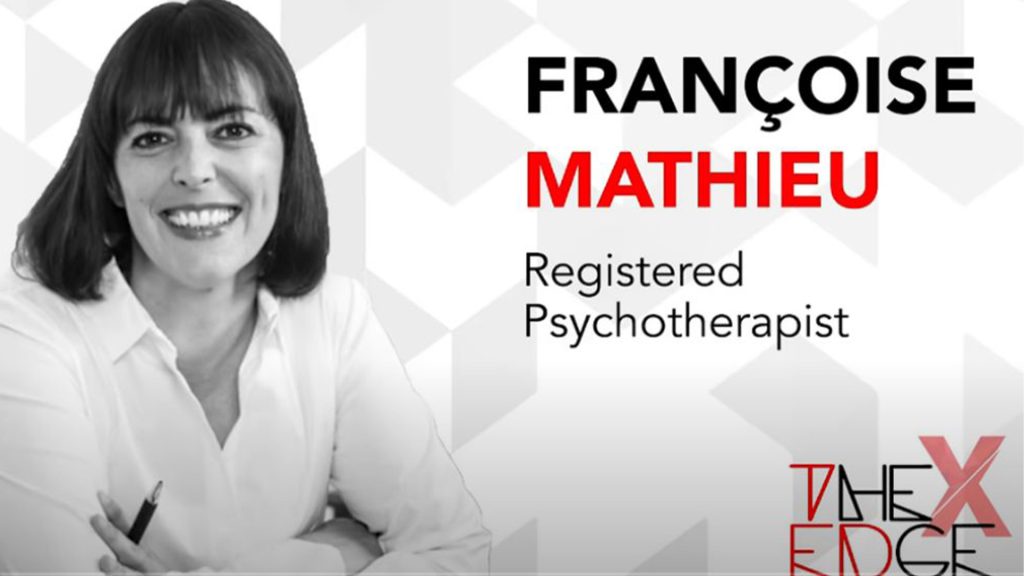
In this TEDx talk, Françoise Mathieu explores the sweet spot between caring too much and not caring at all.
In this book, Dr. Rick Hanson offers concrete suggestions and practices to feel less stressed, pursue opportunities with confidence, and stay calm and centered in the face of adversity.
In this book, Dr. Rick Hanson lays out a simple method that uses everyday experiences to build new neural structures full of happiness, love, confidence, and peace.
In this book, Resmaa Menakem examines the damage caused by racism in America from the perspective of trauma and body-centered psychology.
In this workbook, Dr. Richard Tedeschi and Dr. Bret Moore offer strategies to understand, process, and cope with traumatic experiences.
Book, Career-Sustaining Behaviours, Free, Organizational Health, Secondary Traumatic Stress, Strategies for Self
Resilience, Balance & Meaning
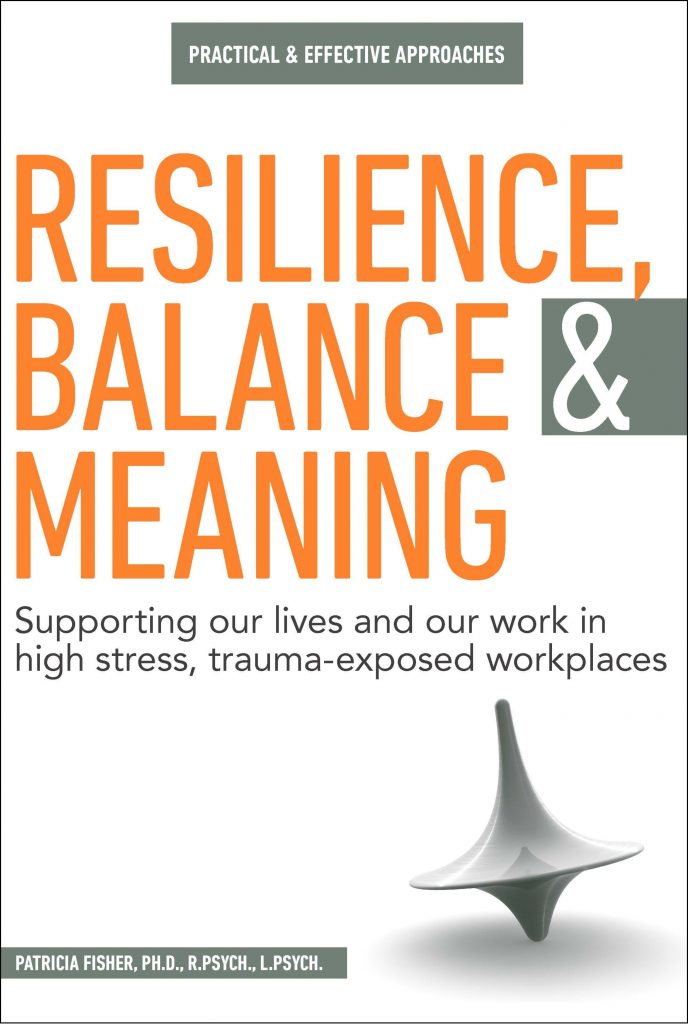
In this workbook, Dr. Patricia Fisher provides practical tools to address the effects of workplace stress, burnout, and trauma and offers a framework to creating a personal wellness plan.
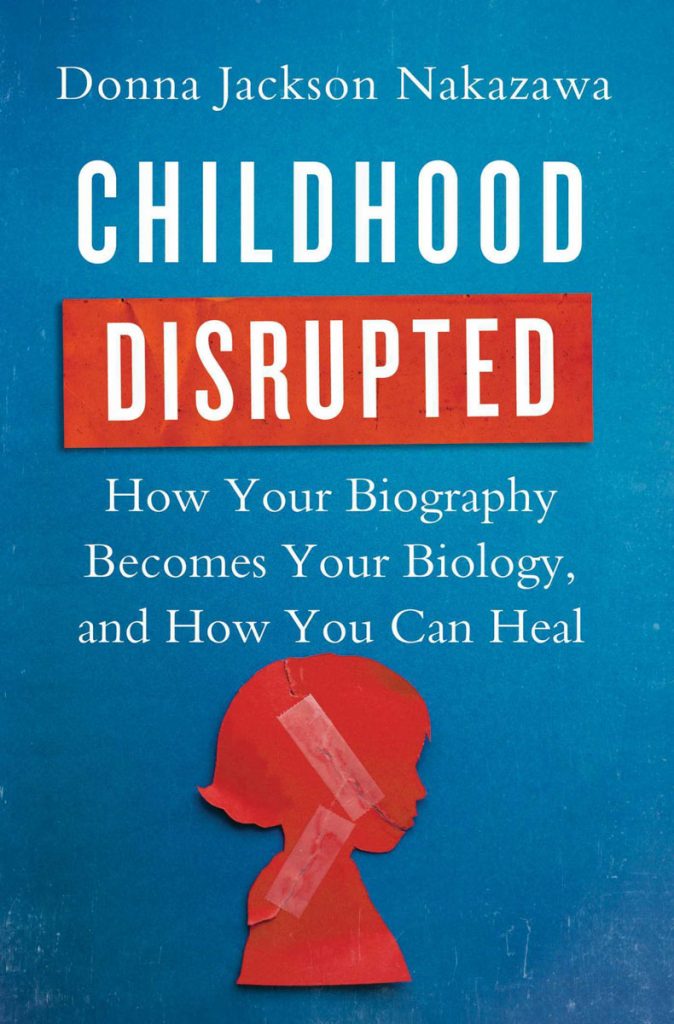
In this book, Donna Jackson Nakazawa explores how the emotional trauma suffered by children shapes the emotional lives of adults, physical health, longevity, and overall wellbeing.
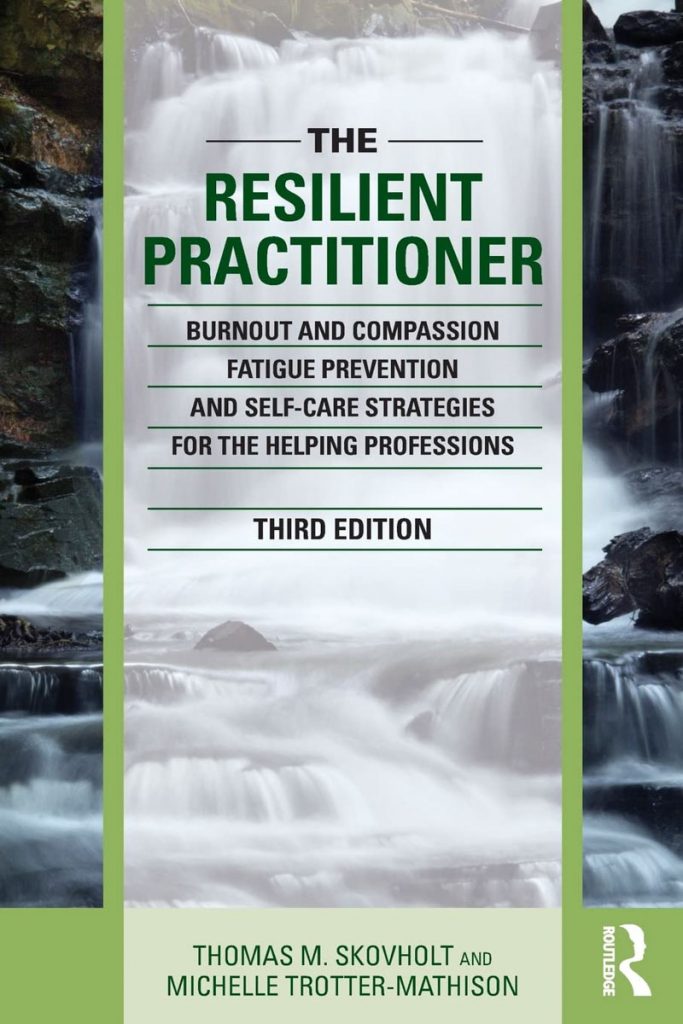
In this workbook. Dr. Skovholt and Dr. Trotter-Mathison provide students and practitioners with tools to balance caring for themselves and caring for others.
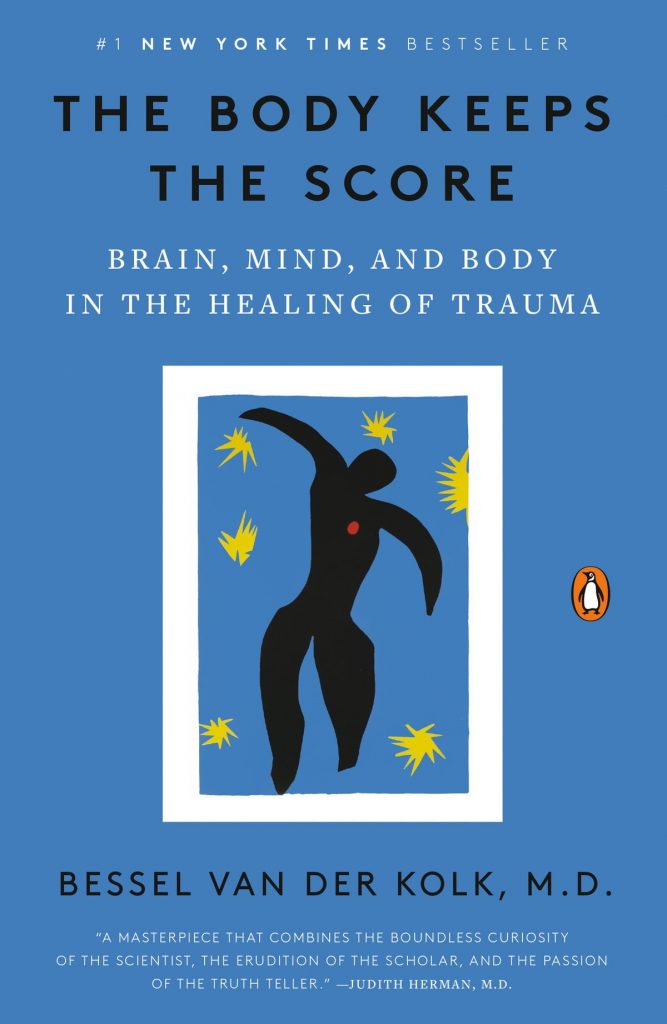
In this book, Dr. Bessel van der Kolk explains how trauma reshapes both body and brain and how it can compromise the capacity for pleasure, engagement, self-control, and trust.
In this workbook. Dr. Patricia Fisher outlines practical and effective approaches to building team resiliency and cohesion in trauma-exposed workplaces.
In this book. Dr. Kristin Neff demonstrates the importance of self-compassion and offers strategies to heal destructive emotional patterns.
Françoise Mathieu discusses post-traumatic stress disorder (PTSD), compassion fatigue, burnout, and complex stress as it relates to first responder mental health.
In this book, Linda Graham offers practical exercises to build resilience and “disaster-proof” the brain.

In this book, Anne Fadiman explores the clash between a small county hospital in California and a refugee family from Laos over the care of Lia Lee, a Hmong child diagnosed with severe epilepsy
In this book, Arlie Russell Hochschild examines how emotional labour impacts both workers and society.
In this book. Kenneth Cloke and Joan Goldsmith offer ten core strategies for preventing and resolving both intermittent and chronic conflicts in the workplace.
In this book, Dr. Gabor Maté shares first-person accounts, case studies, and research to counter the prevailing notions of addiction as either a genetic disease or an individual moral failure.
Rushworth M. Kidder explores moral courage as “the bridge between talking ethics and doing ethics.” By exploring how moral courage spurs us to strive for core values, he demonstrates the benefits of ethical action to the individual and to society – and the severe consequences that can result from remaining morally dormant.
Book, Career-Sustaining Behaviours, Free, Secondary Traumatic Stress, Trauma-Informed Care
Transforming the Pain
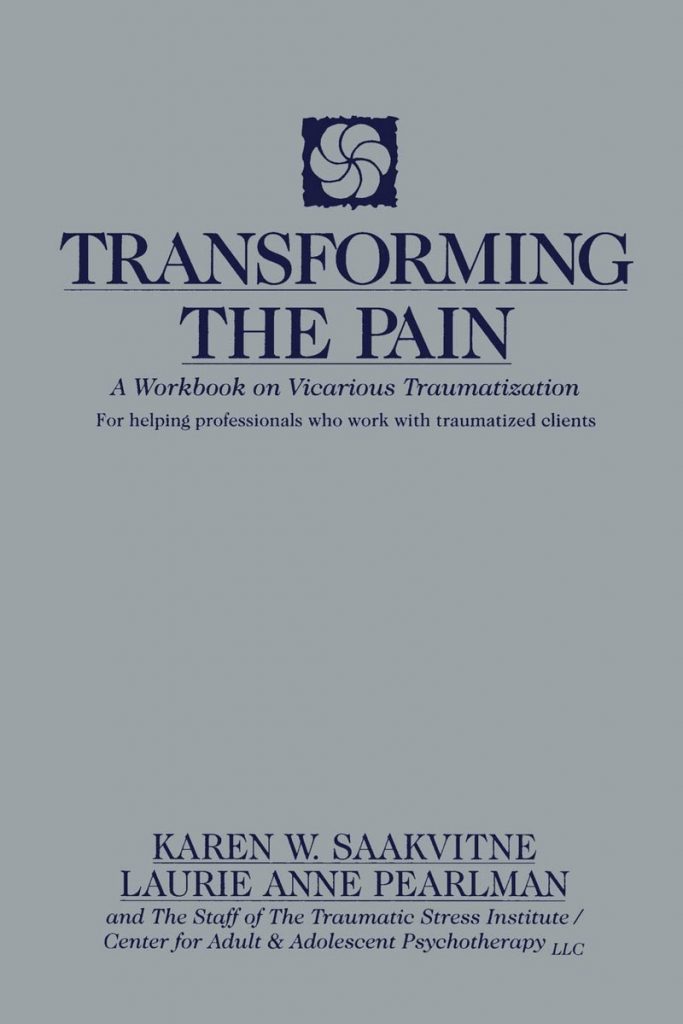
In this book, Dr. Saakvitne and Dr. Pearlman provide self-assessment tools, guidelines and activities for addressing vicarious traumatization.